

SPONSORSHIP IS MORE THAN VISIBILITY, IT IS AN INVESTMENT IN COMMUNITY PREPAREDNESS
By Mark Herrera
When organizations choose to sponsor entertainment venues, public gatherings, and community events, they are doing far more than placing their logo on a banner. They are investing in the people, places, and experiences that bring communities together.
Stadiums, arenas, theaters, convention centers, festivals, and other gathering places generate jobs, support local businesses, attract tourism, and contribute significantly to the economic health of their communities. Hotels, restaurants, transportation providers, vendors, performers, and countless employees all benefit when these venues operate successfully.
However, when a crisis affects a mass gathering, the consequences extend far beyond the immediate incident. Events may be canceled, businesses lose revenue, employees lose work, tourism declines, and public confidence can be damaged. The total economic impact can reach across an entire community and continue long after the initial crisis has ended.
That is why preparedness should not be viewed solely as an operational expense. It is an investment in community resilience.
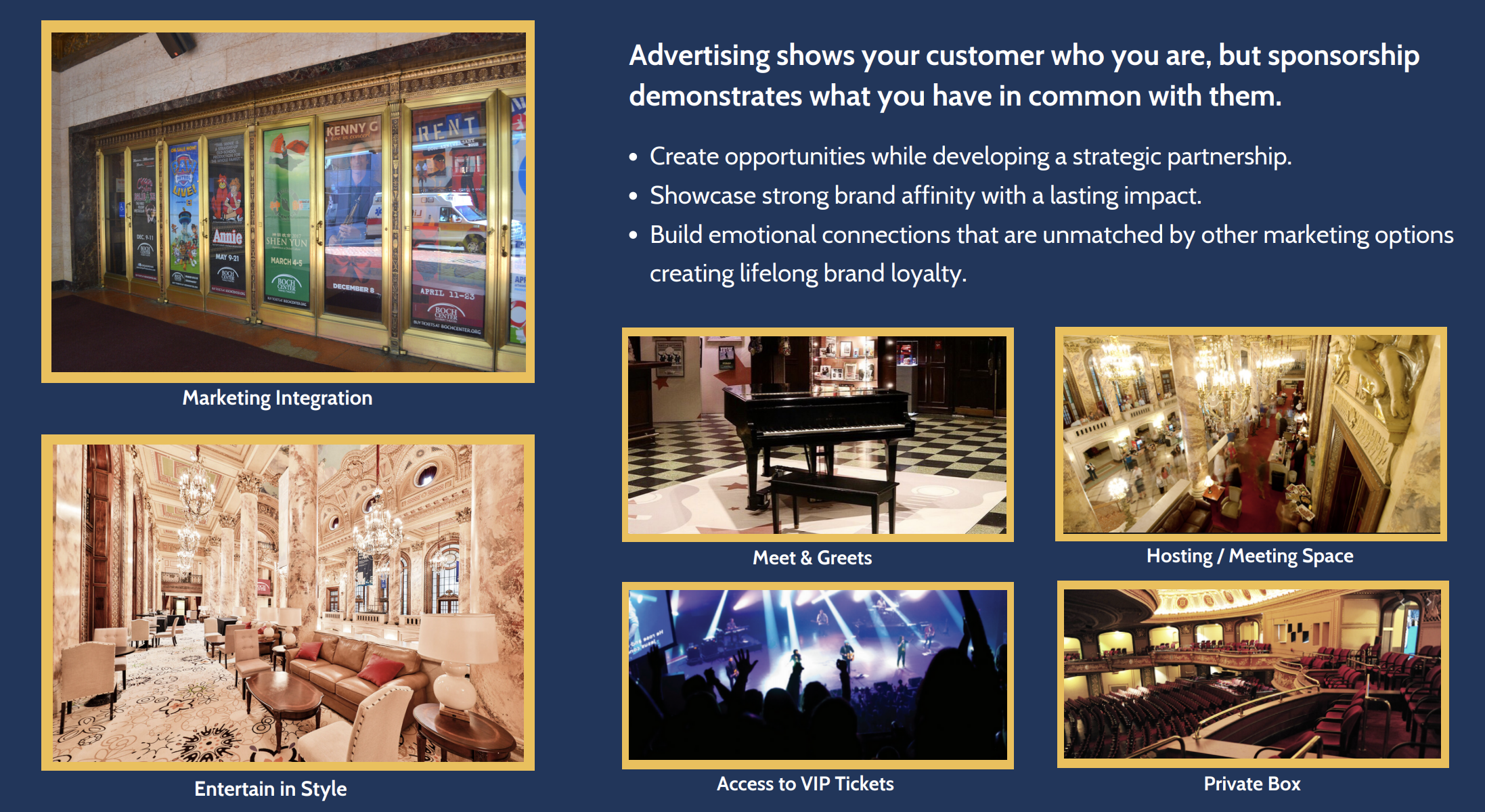
Boston’s Boch Center sponsorship opportunities
Many venues want to provide advanced safety, security, leadership, and emergency-preparedness training but must work within limited budgets. Corporate sponsorship can help close that gap by providing venue employees with the knowledge and practical skills needed to recognize emerging concerns, communicate effectively, make sound decisions, and respond confidently when circumstances change.
Sponsors can help support training in behavioral threat recognition, situational awareness, de-escalation, emergency planning, crowd management, crisis leadership, and protective hospitality. These programs strengthen not only security personnel but also guest-services teams, ushers, operations staff, volunteers, supervisors, and organizational leaders.
Every trained employee becomes another layer of awareness and protection.
This creates a meaningful return for sponsors. Their investment demonstrates corporate responsibility while placing their organization alongside respected venues and community leaders committed to safety, workforce development, and resilience. Recognition through training materials, websites, newsletters, social media, and event communications provides visibility, but the greater value is the impact that sponsorship creates.
True community partnership is not measured only by how prominently a company’s name is displayed. It is measured by what that support makes possible.
Security training that includes city-wide community partners can strengthen community and event resilience and preparedness.
A sponsored training program may help an employee recognize concerning behavior before it escalates. It may strengthen communication during an emergency, improve coordination with public-safety partners, or give a team the confidence to act during a rapidly evolving situation. Those outcomes protect employees, guests, performers, volunteers, businesses, and the broader community.
Organizations already spend significant resources entertaining clients, supporting events, and building community relationships. Directing a portion of that investment toward preparedness allows them to provide both an experience and a lasting public benefit.
Sponsorship should therefore be viewed as more than marketing. It is an opportunity to protect people, strengthen organizations, preserve community gathering places, and safeguard the economic ecosystems that depend on them.
When businesses, venues, and preparedness professionals work together, everyone benefits, and the entire community becomes stronger.
Preparedness protects more than an event. It protects lives, livelihoods, and the communities we serve.
For more information on the Boch Center visit: https://www.bochcenter.org/